
Research & prototype machining
University labs, research laboratories, fusion research groups and R&D teams bring us parts that don’t fit a catalog. We build one-offs, prototypes and test assemblies to your print. You work directly with the machinists making your part.
Home / Research & Prototype Machining
Research work is rarely routine. The quantity is small, the material is unusual and the tolerances matter. That is the kind of work we like.
We have built camera cage assemblies from Invar for a university research group. We have machined magnetic test assemblies for fusion laboratories. We have produced solid copper rails for a company developing fusion energy. We have also completed smaller projects for other universities and research labs.
Most of these jobs started as a drawing and a phone call. Some started as a sketch. We work through the details with you before we cut metal.
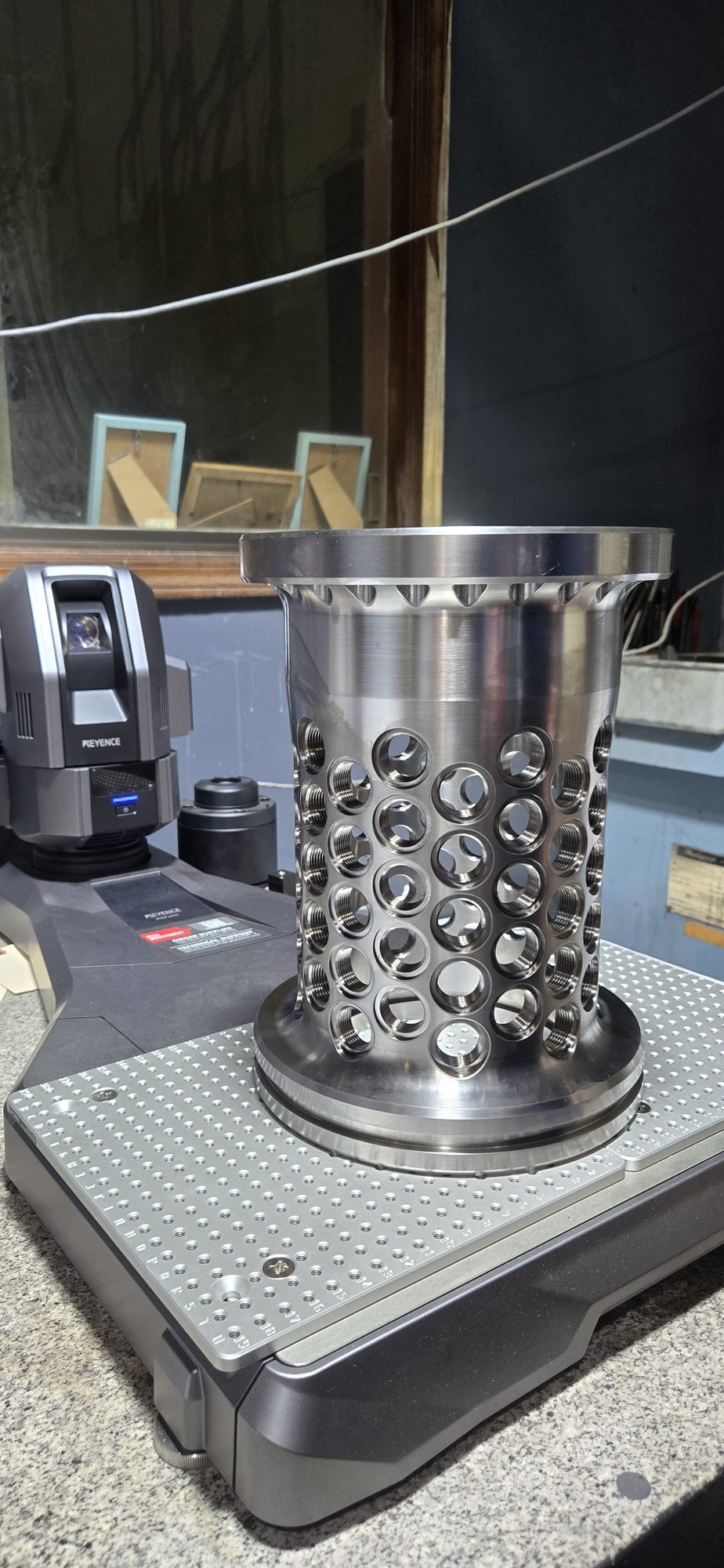
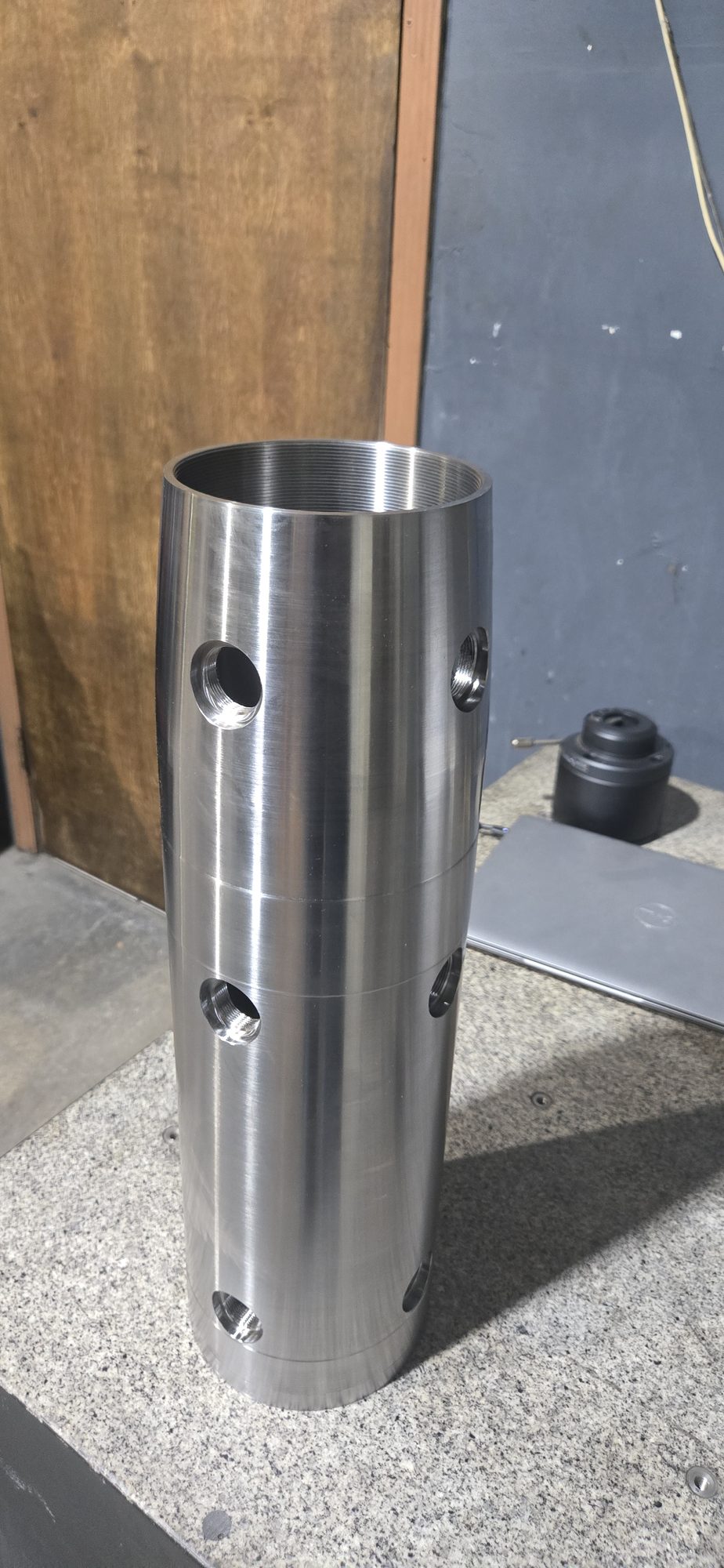
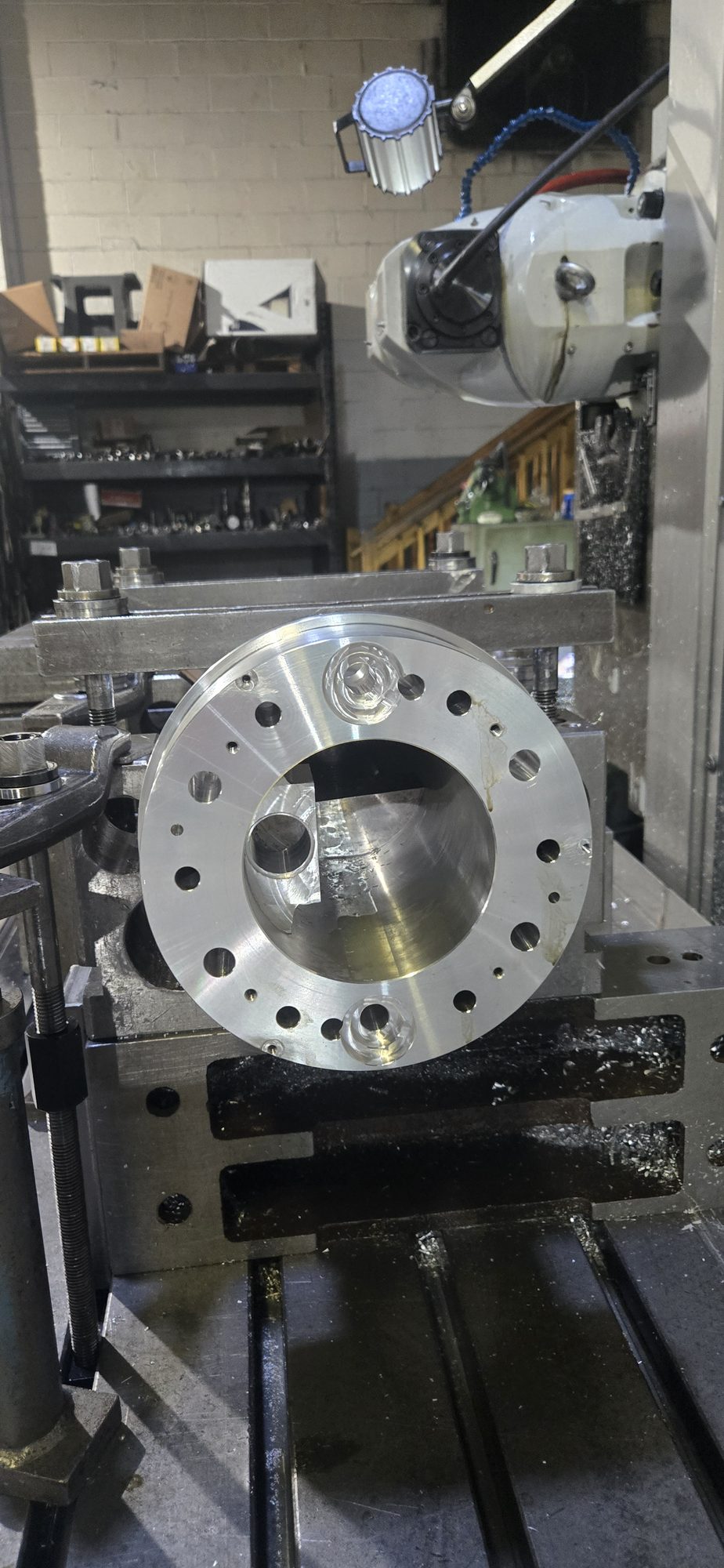
Research parts are often made from materials that fight back.
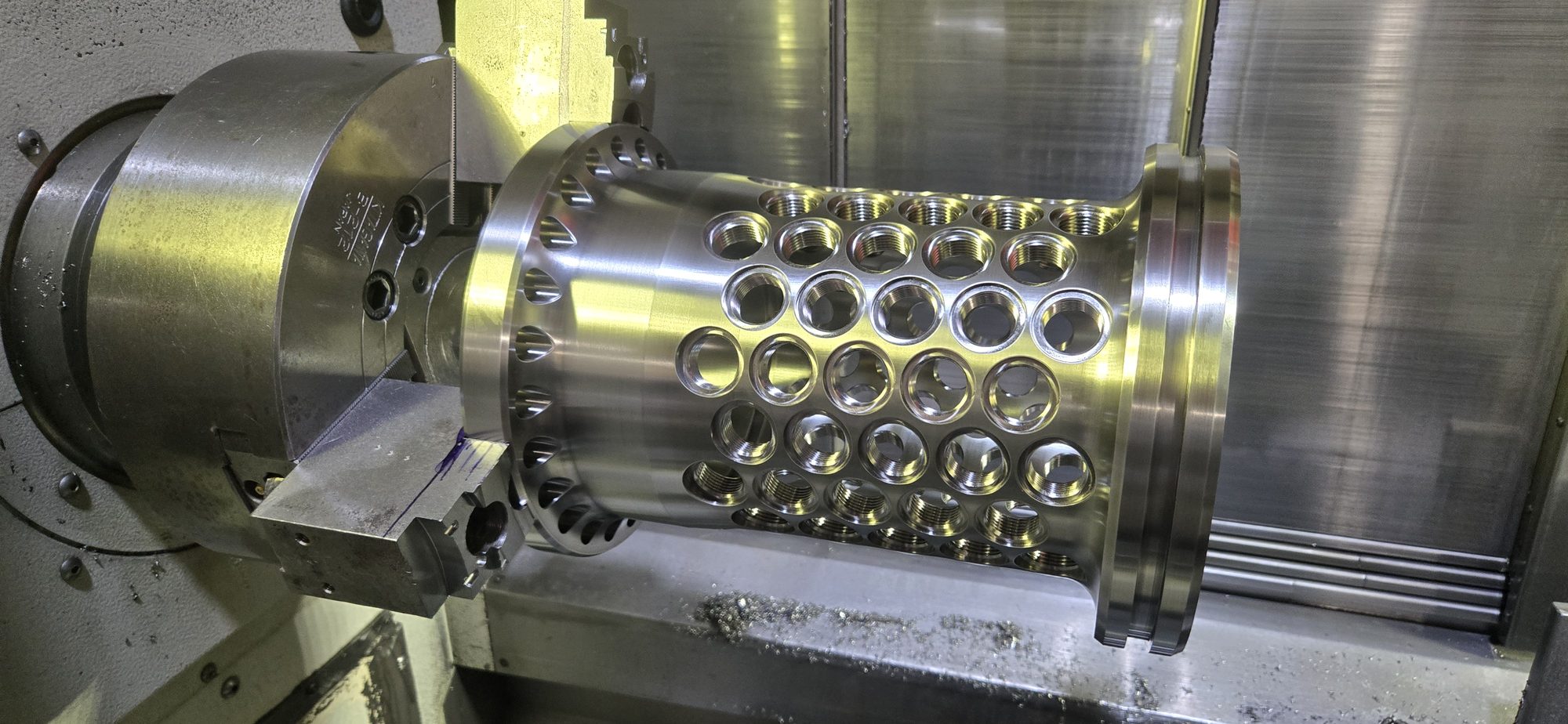
Many research shops cannot handle large or heavy components. We turn parts up to 60″ in diameter and 170″ long. We mill up to 157″ and lift up to 10 tons. The same machinists handle a palm-sized fixture and a long copper rail.

A STEP file, a PDF or a hand sketch is a fine place to start.
We ask about material, critical features and how the part will be used.
You get a clear price and lead time. Purchase orders are welcome.
Critical dimensions are checked before the part ships.
Parts go out by freight or courier, or you can pick them up in Hillsborough.
Yes. Single prototypes and small runs are a normal part of our work.
Yes. We will work with you to turn it into a part we can make.
Yes. We don’t publish customer names or project details, and we’ll sign your NDA.
Yes. We accept purchase orders and university purchasing cards. We can provide a W-9 and complete your supplier registration.
Yes. Startups and private R&D teams are welcome too.
Send us the drawing. We’ll call you back to talk through it.